Match offset blankets to your substrate, ink and press conditions. Compare dayGraphica and Duco models for conventional printing, UV/LED and coating. Check applications, differences and key parameters below.
How to narrow down your blanket choice
First determine the technology and substrate. Then compare the surface, thickness and chemical compatibility.
Cut and strip the surface in selected areas. Check registration requirements and coating compatibility.
Select blanket model (15)
The blanket transfers the image from the printing plate to the sheet. Its surface controls ink transfer and substrate release. The compressible layer helps maintain pressure. Therefore, choose a blanket for the complete process, rather than thickness alone.
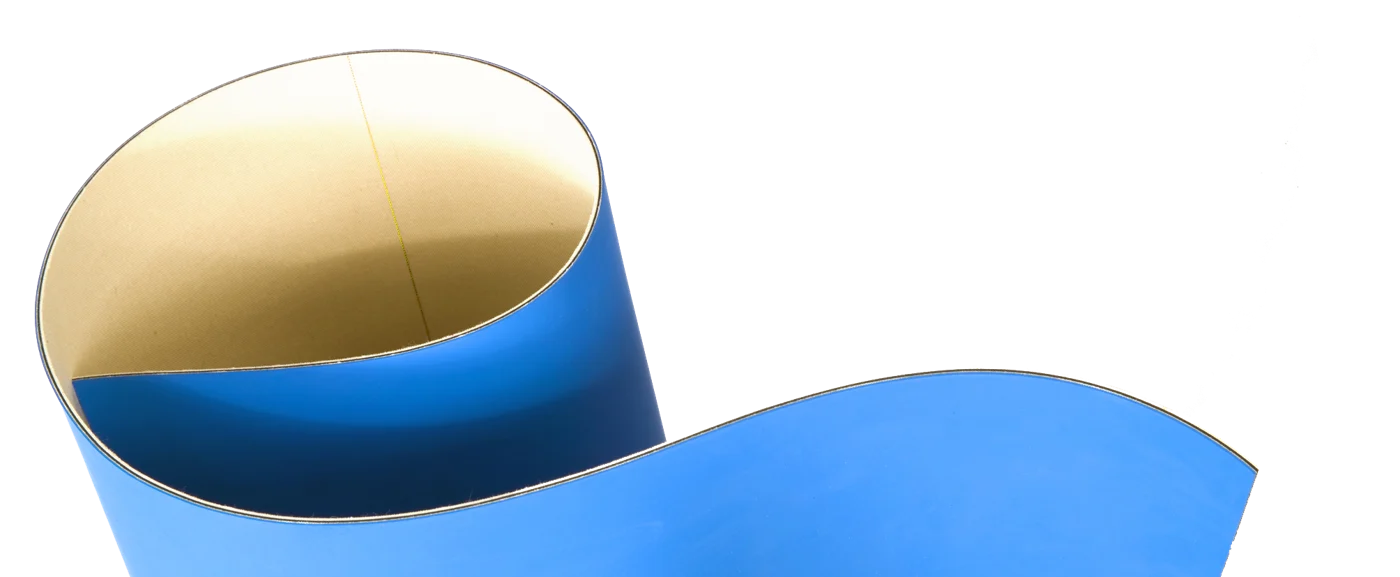
An example of a conventional blanket from the DAY offer.
Choose a surface for paper and cardboard
Offset blankets for conventional inks and mixed work
Compare nine models for commercial, packaging and mixed use. Offset blankets differ in surface area, compressibility and ink compatibility. Therefore, do not choose a model solely by the color of the rubber.
Sharp halftones and uniform solids
dayGraphica 3000
Choose this blanket for demanding job printing with conventional inks. A very smooth, micro-ground surface helps keep the raster dot clean and limits its growth.
In the 1.96 mm version, a four-layer carcass supports the stability of the blanket. In addition, the solvent-resistant surface facilitates rapid sheet removal at high machine speeds.
Compare this model when printing a variety of stationery and packaging. The flexible structure and low-stretch carcass help maintain stable dimensions and limit thickness loss.
The compression layer supports even pressure, while the polished surface facilitates ink transfer and washing. We offer this model for conventional and hybrid inks. Before changing technology, we will help you confirm compatibility with your system.
Choose this blanket for sheet-fed printing on various substrates. A special surface mixture supports ink transfer and sharp raster reproduction in a wide range of pressures.
We propose this model for conventional or mixed operation. Suitable for many UV/LED inks. Confirm compatibility with your particular ink and wash before choosing.
Thickness
1,96 mm
Surface
Honed; Ra typically 1.1 µm
Compatibility and Applicability
Conventional and hybrid inks; UV/LED selection requires confirmation
Choose N340 Axis for a variety of stationery and packaging work with conventional inks. The low-stretch carcass helps maintain dimensional stability during production.
The compression layer supports even pressure over the entire surface. The blanket construction supports recovery after temporary compression. Permanent damage remains possible.
Compare the 620 when looking to balance the performance and cost of a conventional blanket. The smooth surface supports image reproduction on various papers and cardboards.
Resistance to sheet edge marks helps in packaging production. Additionally, the stable structure and crush recovery support repeatable operation, although pressure settings still require control.
Consider this model when changing paper and board formats. The resilient surface compound resists sheet-edge cuts. Micro-grinding supports sharp halftone dots.
The strong carcass and compression layer help maintain stability and sheet yield on high-speed machines. Known as the Duco Elite, you can now find this blanket under the name dayGraphica 0468.
Compare 490 Boxer XL for uniform solids and easy surface cleaning. It supports ink transfer and limits small coverage voids.
Before selecting, determine with WIT the thickness, format and compatibility with the chemicals used. Do not replace this data with parameters of another model.
Compatibility and Applicability
A blanket from the conventional group; confirm selection details for your process
Ink transfer on more difficult substrates
dayGraphica 0556
Consider this blanket for papers and cardboards that are prone to surface tearing. The rough surface supports ink transfer and limits the accumulation of paper residue on the blanket.
The surface compound limits substrate delamination and resists swelling. The reinforced carcass supports stable thickness and rapid recovery after compression.
Select this model for comparison if you are changing the printing technology on one machine. The special surface mixture supports conventional inks and many UV/LED systems.
The surface supports sharp halftones, ink transfer and fast sheet release with limited swelling. However, “multiple systems” does not mean all: confirm ink and wash compatibility.
Thickness
1,96 mm
Surface
Honed; Ra typically 1.2 µm
Compatibility and Applicability
Conventional and many UV/LED inks; individual selection
Check the compatibility of the ink, blanket and wash
Offset blankets for UV and LED UV printing
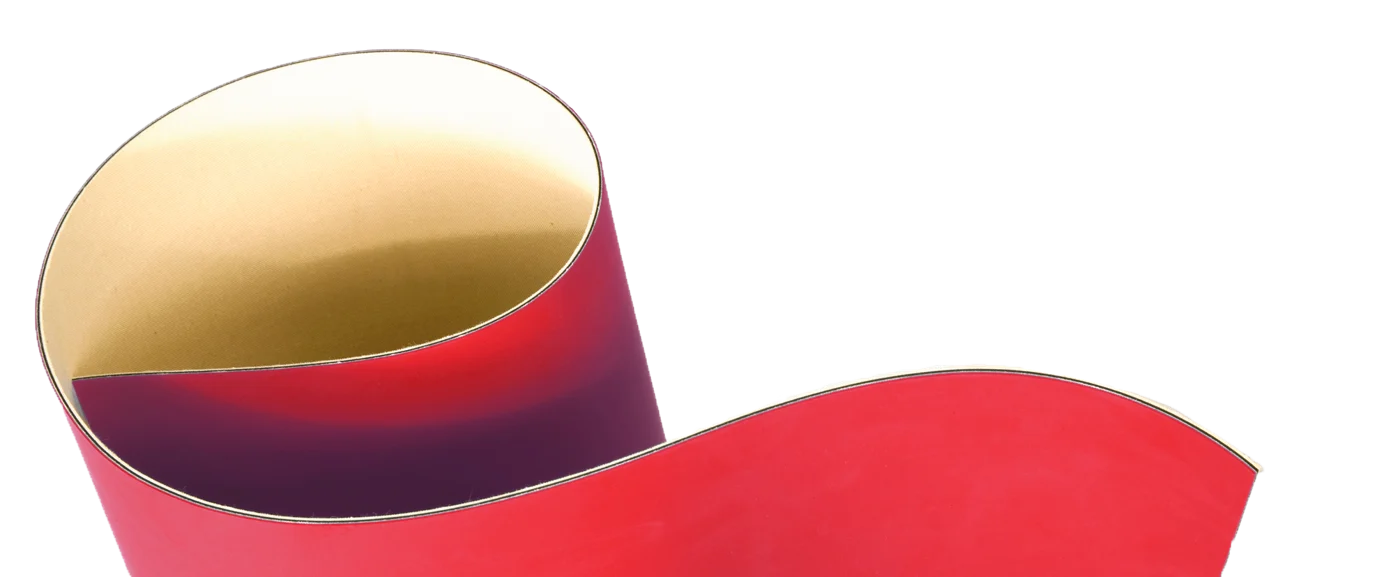
Models 4100, 4200 and 4300 have an EPDM surface and only support UV/LED inks. However, when changing technology, compare models for mixed use, especially 7100. Always confirm the compatibility of a specific ink and chemical set.
Dedicated UV and LED UV production
dayGraphica 4100 UV Red
Choose this blanket for a press dedicated to UV/LED inks. The red EPDM surface supports rapid sheet release on different substrates.
The model supports stationery and packaging printing in various formats. Choose it only for UV/LED inks. We will help you choose a different blanket for conventional printing.
Compare the 4200 for UV/LED printing where cut and abrasion resistance is important. The new EPDM mixture and carcass construction support pressure and ink transfer.
For commercial printing and metal decoration. The smoother surface has a typical roughness of Ra 0.8 µm. Use only with UV/LED-cured inks.
Consider this model for an energy curable ink process. The blanket has an extensive compression layer and a solvent-resistant surface.
Before choosing, provide the type of UV ink, wash and machine model. WIT will help confirm a specific variant rather than assuming compatibility based on name alone.
Compatibility and Applicability
Energy curing ink systems; specific set requires confirmation
UV/LED commercial and packaging printing
dayGraphica 4300
Compare this EPDM blanket for dedicated UV/LED printing on paper and board. The smooth surface supports image reproduction and the design reduces sheet edge marks.
Stable thickness and compression layer help maintain even pressure. Moreover, the blanket combines parameters with economic use, but does not support conventional inks.
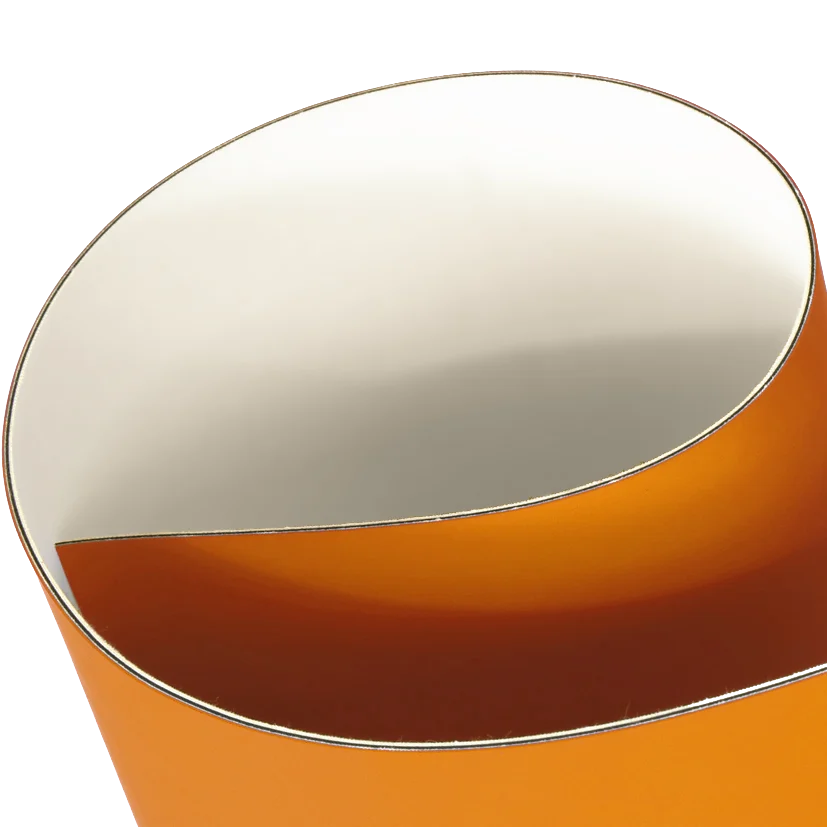
Coating blankets perform a different task from ink-transfer blankets. For stripping models, cut and remove selected surface areas. The remaining areas transfer coating to the sheet.
Selective varnishing on a fabric base
dayGraphica Durapeel FB
Prepare coating areas by cutting and stripping selected surface sections. Durapeel FB has a fabric backing and cast surface for water-based coatings and most UV coatings.
Clear cutting lines and easy removal of the layer facilitate preparation of the mold. The construction allows repeat use when precise registration is not critical. Nominal relief depth is 0.8 mm.
Choose this blanket to prepare a varnishing mold on a fabric base. The surface works with water-based varnishes and most UV varnishes, and the compression layer supports crush resistance.
Clear cuts make selected surface sections easier to remove. Nominal relief depth is 0.7 mm for three-ply versions or 0.8 mm for four-ply versions. This model is now named dayGraphica Superstrip FB.
How to choose offset blankets and compare the price?
First, provide the machine model, blanket format, mounting and required thickness. Then specify the inks, substrate, typical sheet sizes and wash used. If you are changing the blanket due to a problem, describe the symptoms and pressure settings.
The blanket and backing form one set. Therefore, check the required height in relation to the cylinder rings and the machine recommendations. Do not convert 1.70 mm thickness to 1.96 mm without taking into account the backing and assembly geometry.
The price of the blanket depends on the model, format, thickness, mounting preparation and quantity. Ask for a quote for a specific set. Compare blanket life in your process. A lower price offers no saving if replacement frequency increases or print quality deteriorates.
Not everyone. The 4100, 4200 and 4300 offset blankets only support UV/LED. For mixed work, compare 7100 or 36, but first confirm the compatibility of the specific ink and wash.
Can a coating blanket replace a printing blanket?
Choose each for its intended task. Durapeel FB and Superstrip FB allow selected coating areas. A printing blanket transfers the image from plate to sheet.
Is the color of the blanket enough to recognize it?
No. Models may have a similar color but differ in rubber mixture and parameters. Give us the name of the blanket, thickness and type of ink. We will help you choose the right model.
How to care for offset blankets?
Use a wash compatible with the dressing surface and machine instructions. Check the mounting, pressure and condition of the underlay. Select to remove deposits cleaning and care preparation; do not replace it with a random solvent.
Have a question? Get in touch
Need help choosing a product or checking price and availability? Tell us what you need. We will help you find a solution for your print shop.
We use cookies that are necessary for the website, shopping cart, and account to function. Analytics and advertising features are currently disabled. You can review your cookie settings and our privacy policy here.
Necessary
Always active
Technical storage or access is strictly necessary for the legitimate purpose of enabling the use of a specific service explicitly requested by the subscriber or user, or solely for the purpose of transmitting a communication over an electronic communications network.
Preferences
Technical storage or access is necessary for the legitimate purpose of storing preferences that have not been requested by the subscriber or user.
Statistics
Technical storage or access used exclusively for statistical purposes.Technical storage or access used exclusively for anonymous statistical purposes. Absent a court order, voluntary compliance by an internet service provider, or additional records from a third party, information stored or retrieved solely for this purpose generally cannot be used to identify an individual user.
Marketing
Technical storage or access is required to create user profiles in order to send advertisements or to track the user across a website or multiple websites for similar marketing purposes.